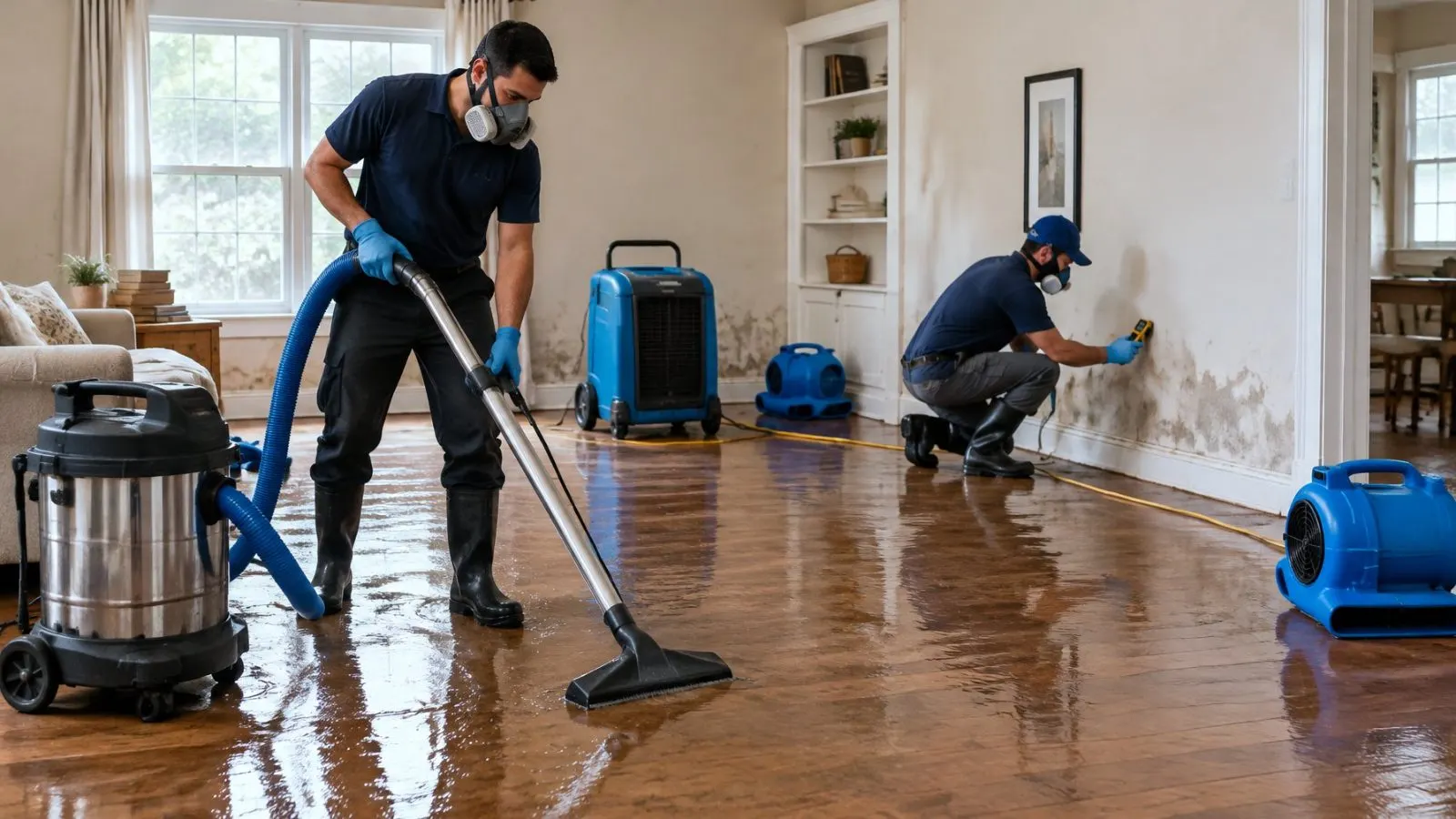
Water Removal and Structural Drying
Water Damage Restoration in La Habra
Find out what needs drying and what happens next.
Water Removal and Structural Drying
Find out what needs drying and what happens next.
Water damage restoration is about more than removing a puddle. Water can enter carpet padding, wood flooring, drywall, cabinets, and spaces that are difficult to reach. Even when the original leak has stopped, moisture may remain trapped inside building materials. At Water Damage Restoration La Habra, we help homeowners, landlords, and business operators understand the extent of the problem and arrange the appropriate cleanup and drying work.
Our restoration process starts with the cause of the damage, the areas affected, and the condition of the materials. We consider whether the water is clean, potentially contaminated, or associated with a more serious sanitation hazard. We then explain the steps needed to remove water, dry the structure, and evaluate materials that may need replacement. For a local assessment, call (562) 393-7598.
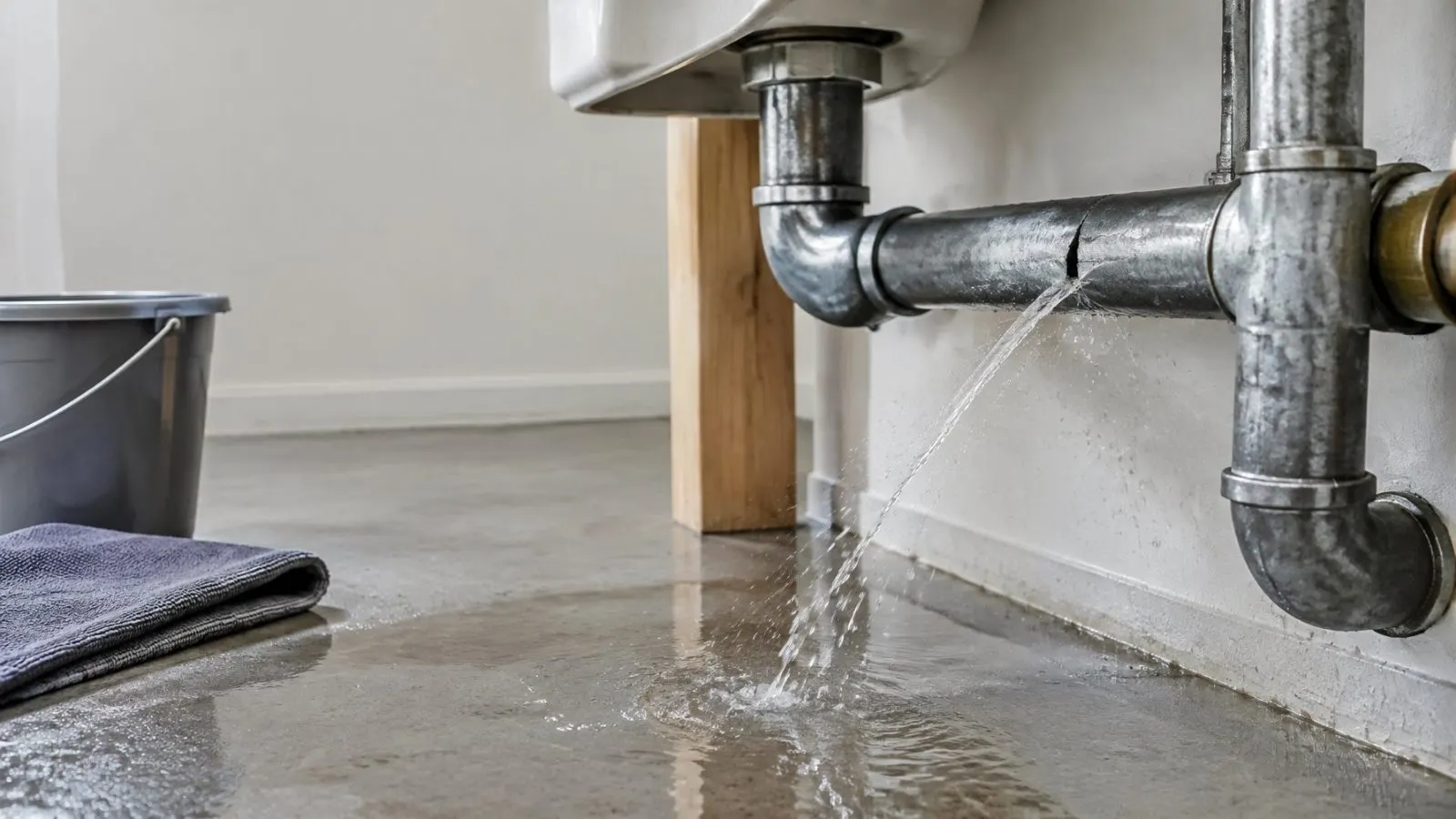
A water-damaged room may contain several different drying challenges. Standing water on a hard floor is visible, but water absorbed by drywall, insulation, carpet padding, and wood may be less obvious. Our first priority is to understand the affected area and determine whether water removal, material access, or specialized drying is appropriate. We discuss the proposed work before it begins, including areas that may need to be opened, equipment that may be used, and how progress can be checked. Some materials can be dried and retained, while others may require removal because of their condition or contamination. Restoration decisions should reflect actual conditions rather than assumptions based on appearance alone.
We discuss the water source, when the damage was discovered, and which rooms or building materials appear affected. An inspection may include surface checks and moisture readings to help define the extent of the problem. If the water is still entering the building, stopping the source remains the immediate priority. The assessment gives property owners a clearer picture of what must happen before drying can be considered complete.
Accessible standing water can spread into adjoining materials if it remains in place. Extraction is used where suitable to remove accumulated water and reduce the amount that building materials must release during drying. Different floor coverings and affected areas may require different methods. Water removal is generally an early stage of restoration, not the end of the job.
Walls, subfloors, framing, and other materials may remain damp after visible water is removed. A drying plan can involve professional air-moving and dehumidification equipment, with placement adjusted to the property conditions. The goal is to encourage controlled moisture removal while monitoring affected materials. Drying duration varies depending on material type, moisture levels, temperature, and access.
Floor coverings and wall assemblies respond differently to water. Carpet padding may hold moisture, engineered flooring may swell, and drywall can lose strength when heavily saturated. We assess the condition of affected materials and explain which areas may be suitable for drying and which may need removal. Any opening or removal work is discussed as part of the proposed scope.
Visual appearance alone cannot confirm that a structure is dry. Moisture monitoring helps show whether affected materials are progressing toward appropriate drying goals. Readings can also identify locations that need additional attention or a change in drying approach. We use these observations to explain progress and next steps to the property owner.
Once moisture has been addressed, damaged finishes or building materials may still need repair. We explain the restoration work completed and identify remaining items that require rebuilding, plumbing, or other specialist attention. Repair work beyond the agreed restoration scope may need to be arranged separately. This helps customers distinguish water mitigation from final cosmetic repairs.
| Service | Estimated Cost | Average |
|---|---|---|
| Limited one-room water extraction and drying | $1,200–$3,500 | Varies by affected materials |
| Multiple-room water damage mitigation | $3,000–$8,000 | Depends on scope |
| Extensive structural drying and material removal | $5,000–$12,000+ | Site-specific assessment |
These are illustrative budgeting ranges, not surveyed local averages or binding prices. Actual costs depend on water conditions, affected square footage, material removal, equipment needs, drying duration, and access. Plumbing repairs and reconstruction may be separate expenses. We discuss site-specific pricing after assessment.
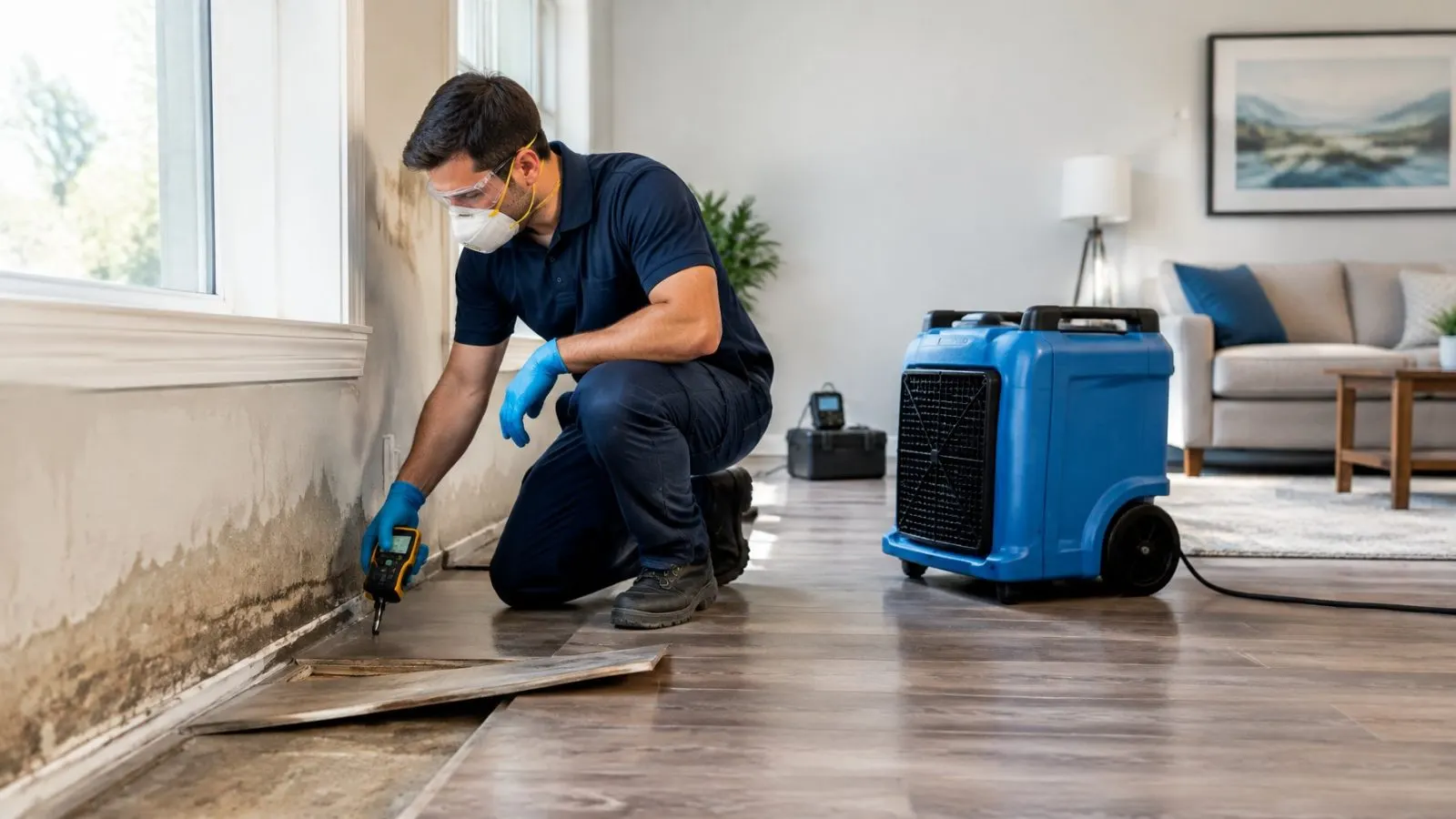
Our assessment considers where water may have moved beneath finishes and inside adjoining materials.
Customers receive a practical explanation of why a material may be dried, monitored, or recommended for removal.
We consider moisture measurements and material conditions rather than relying only on how a room looks.
We discuss work areas, equipment placement, and potential disruption so customers can make informed arrangements.
Need water damage restoration in La Habra or a nearby town? Tell us what is wet and request an assessment.
Free — no obligations
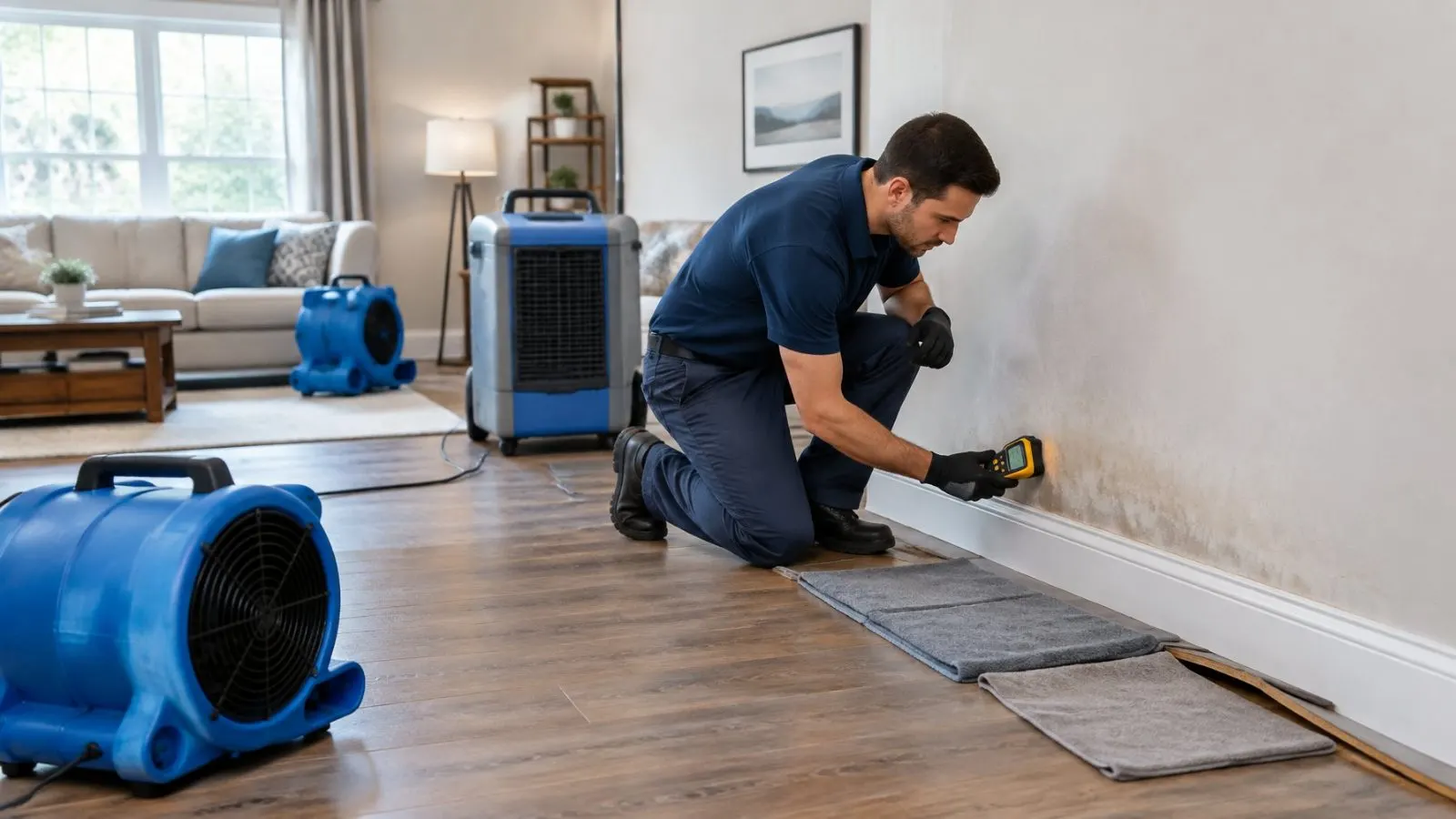
Describe the water source, affected rooms, and any immediate safety concerns. We discuss service availability and the information needed for an assessment.
We evaluate accessible affected areas, note material conditions, and consider where additional moisture may be present.
Where appropriate, we extract water, address materials that cannot reasonably be retained, and implement a drying approach suited to the property.
We review moisture conditions, communicate remaining concerns, and identify repair or reconstruction needs outside the mitigation stage.