Contaminated Water Cleanup
Sewage Backup Cleanup in La Habra
Keep clear of contaminated water and request help.
Contaminated Water Cleanup
Keep clear of contaminated water and request help.
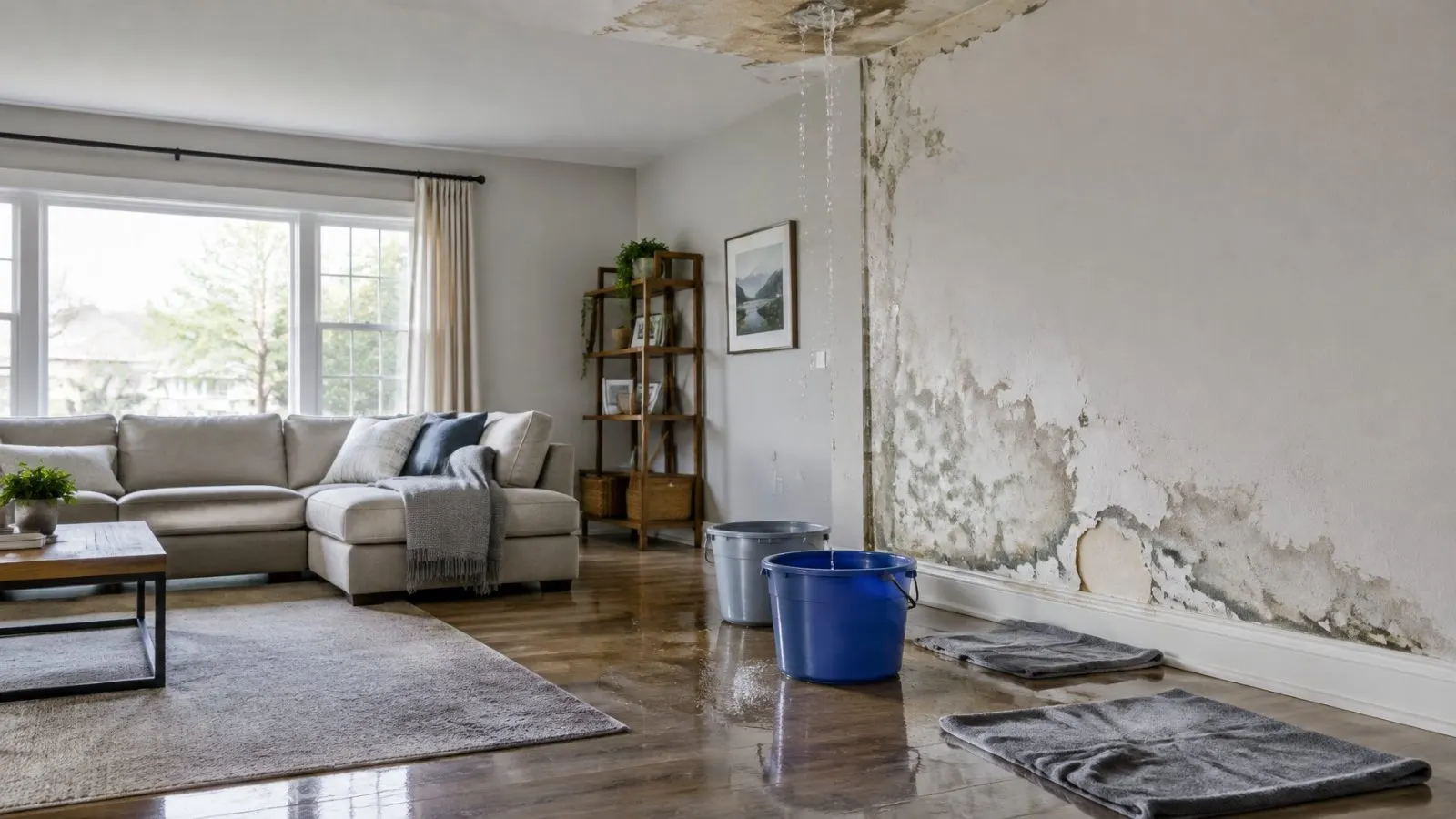
A sewage backup is more than an unpleasant plumbing problem. Wastewater can carry microorganisms and other contaminants that create health concerns, especially when it reaches flooring, furniture, or living areas. Sewage may enter through a floor drain, shower, toilet, or other plumbing fixture. Whether the backup affects a bathroom, laundry room, basement-like lower level, or commercial space, the cleanup needs to account for contamination as well as moisture.
At Water Damage Restoration La Habra, we approach sewage backup cleanup with safety as the first consideration. We assess affected areas, explain which materials may need removal, and plan appropriate cleaning and drying after the sewage source has been controlled. Keep people and pets away from affected areas, avoid operating electrical devices near contaminated standing water, and call (562) 393-7598 to discuss the situation.
Sewage backups require a different approach from ordinary clean-water spills. The source and nature of the contamination influence how affected materials should be handled. Porous materials, including some carpet, padding, and drywall, may not be appropriate to retain after direct sewage exposure. The goal is to address contamination without allowing the affected area to spread into clean parts of the property. Before cleanup begins, the backup source should be stopped or isolated. A plumber or sewer professional may be needed to clear the line or repair the underlying problem. Once conditions permit safe restoration work, the focus shifts to contaminated water removal, affected-material evaluation, cleaning, and controlled drying. We explain these stages so property owners understand what belongs to plumbing repair and what belongs to damage restoration.
We identify the reported backup location, observe the affected area, and consider which materials have been exposed. The assessment also looks at whether wastewater has moved into adjoining rooms, wall openings, or concealed spaces. Because sewage can present biological hazards, entry and handling precautions are part of the work plan. We explain the likely cleanup scope before proceeding.
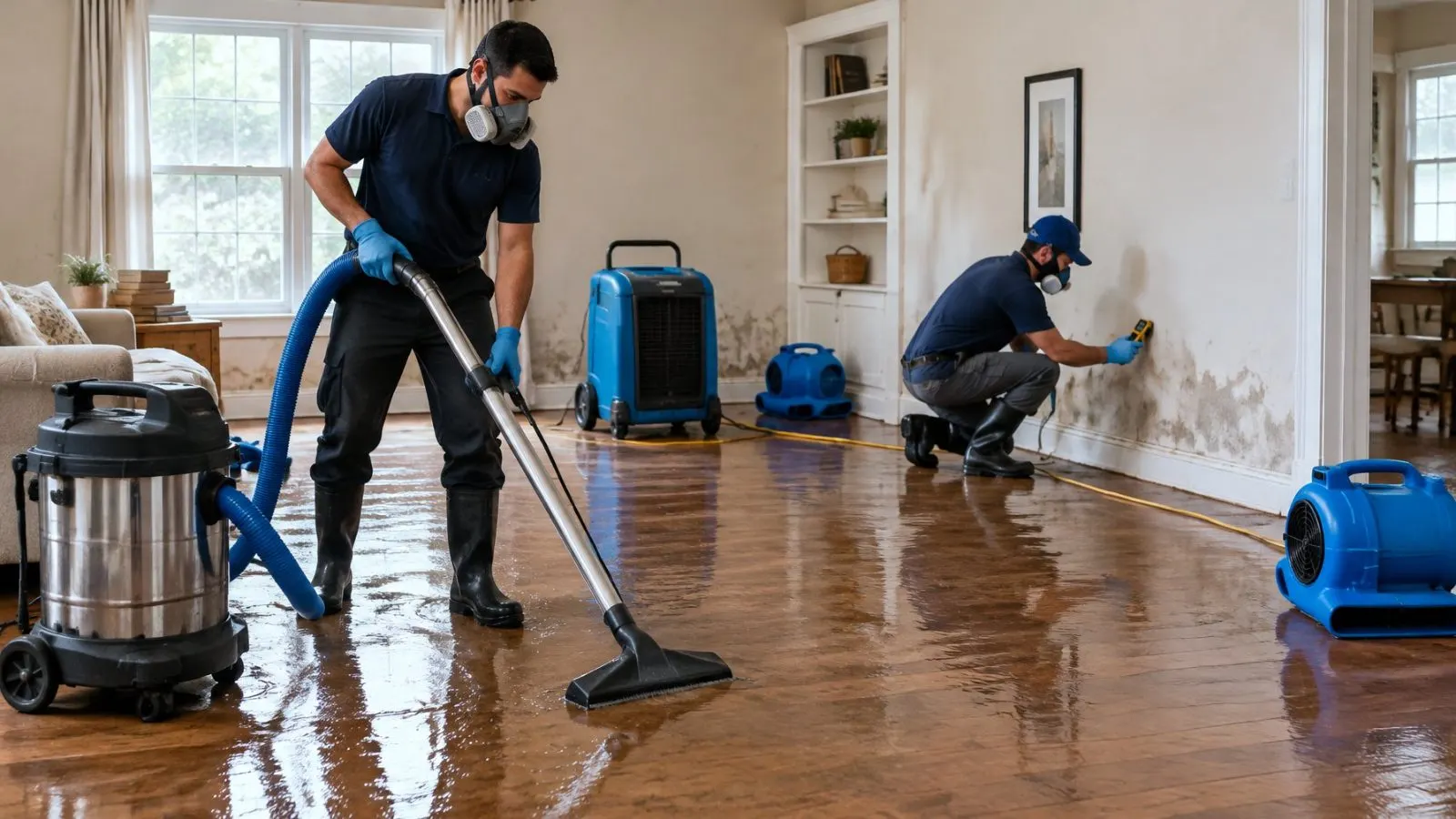
Where conditions allow, contaminated standing water is removed using equipment and methods appropriate to the situation. The work area must be managed so that wastewater is not unnecessarily spread through the property. Removal of the visible water is only one stage because contamination and retained moisture may remain on or within materials.
Materials that absorb sewage can be difficult to clean reliably. Carpet padding, some floor coverings, insulation, and damaged drywall may require removal depending on the exposure and material condition. We explain the reasons for recommended removal and distinguish heavily affected materials from surfaces that may be suitable for cleaning.
After contaminated water and unsuitable materials are addressed, remaining affected surfaces can be evaluated for appropriate cleaning and sanitation methods. Product choice, contact time, material compatibility, and worker protection all matter. We do not treat the use of a disinfectant as a substitute for proper cleaning or material removal.
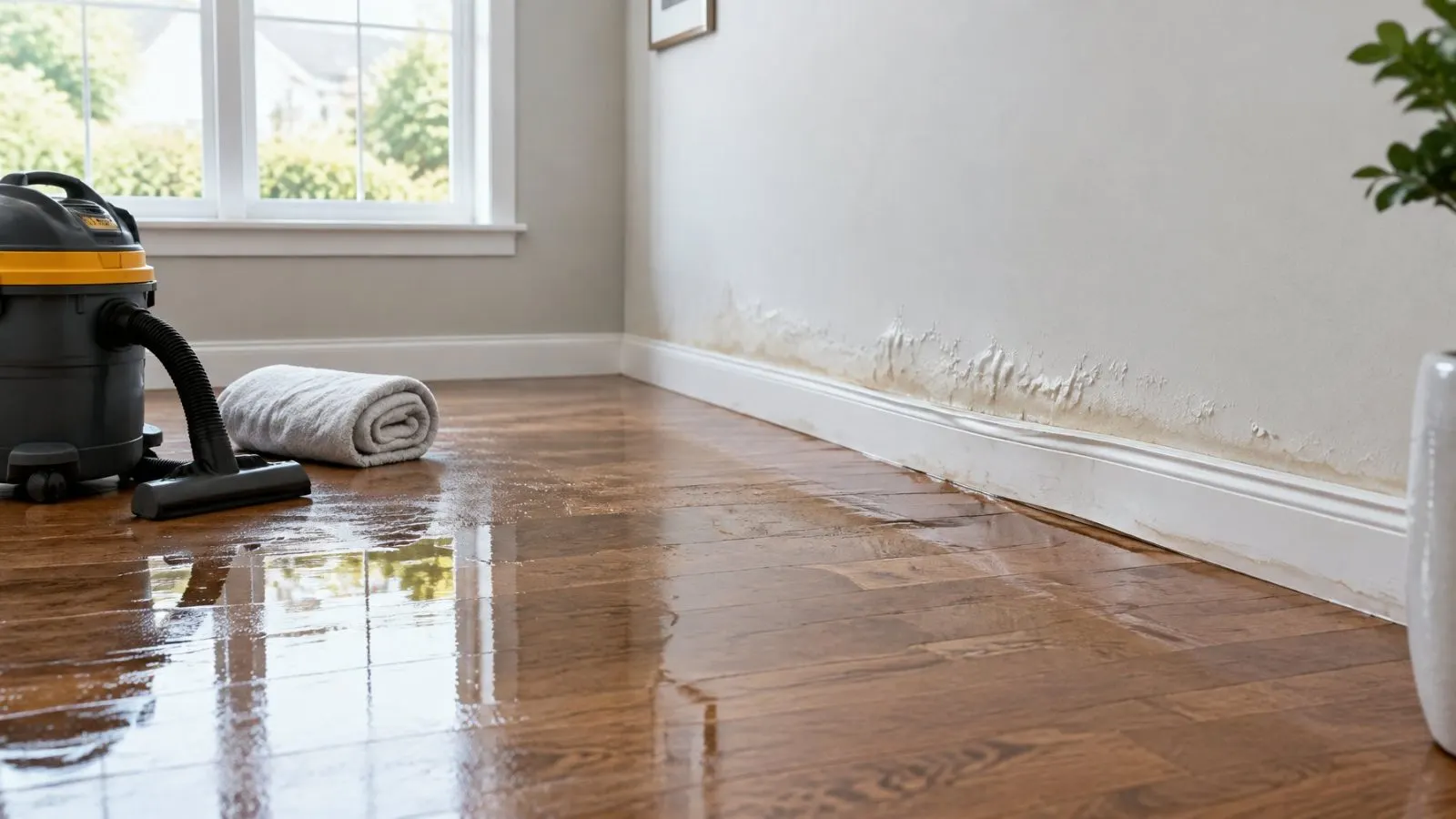
A sewage backup may leave moisture underneath flooring and inside adjacent building materials. Once contamination is appropriately addressed, the remaining structure may need controlled drying. Drying methods are selected with the contamination status and physical layout in mind. Moisture monitoring helps determine whether further work is needed.
Restoration may leave areas where flooring, drywall, cabinets, or finishes need replacement. We explain what has been removed, what remains, and which repairs require separate arrangements. Sewer-line repairs, plumbing corrections, and reconstruction should be clearly distinguished from the sewage cleanup itself.
| Service | Estimated Cost | Average |
|---|---|---|
| Small contained sewage backup cleanup | $1,800–$5,000 | Depends on contamination |
| Multiple-room sewage damage cleanup | $4,500–$12,000 | Depends on removal scope |
| Extensive contamination and structural drying | $8,000–$20,000+ | Site-specific assessment |
These figures are illustrative budgeting ranges, not surveyed averages or quotes. Sewage cleanup costs depend on contamination, affected materials, access, disposal, drying requirements, and the extent of repairs. Sewer clearing, plumbing repairs, and reconstruction may be separate. A property assessment is necessary for meaningful pricing.
We consider the safety and material-handling implications of sewage exposure before planning ordinary drying work.
We explain the affected work area and why particular materials may require removal.
Our approach separates stopping the sewage source, addressing contamination, drying the structure, and making final repairs.
Sewage damage can be stressful and unpleasant. We discuss the practical steps without blaming customers or making the situation more difficult.
Have a sewage backup in La Habra, La Habra Heights, or La Mirada? Avoid the affected area and contact us to discuss cleanup.
Free — no obligations
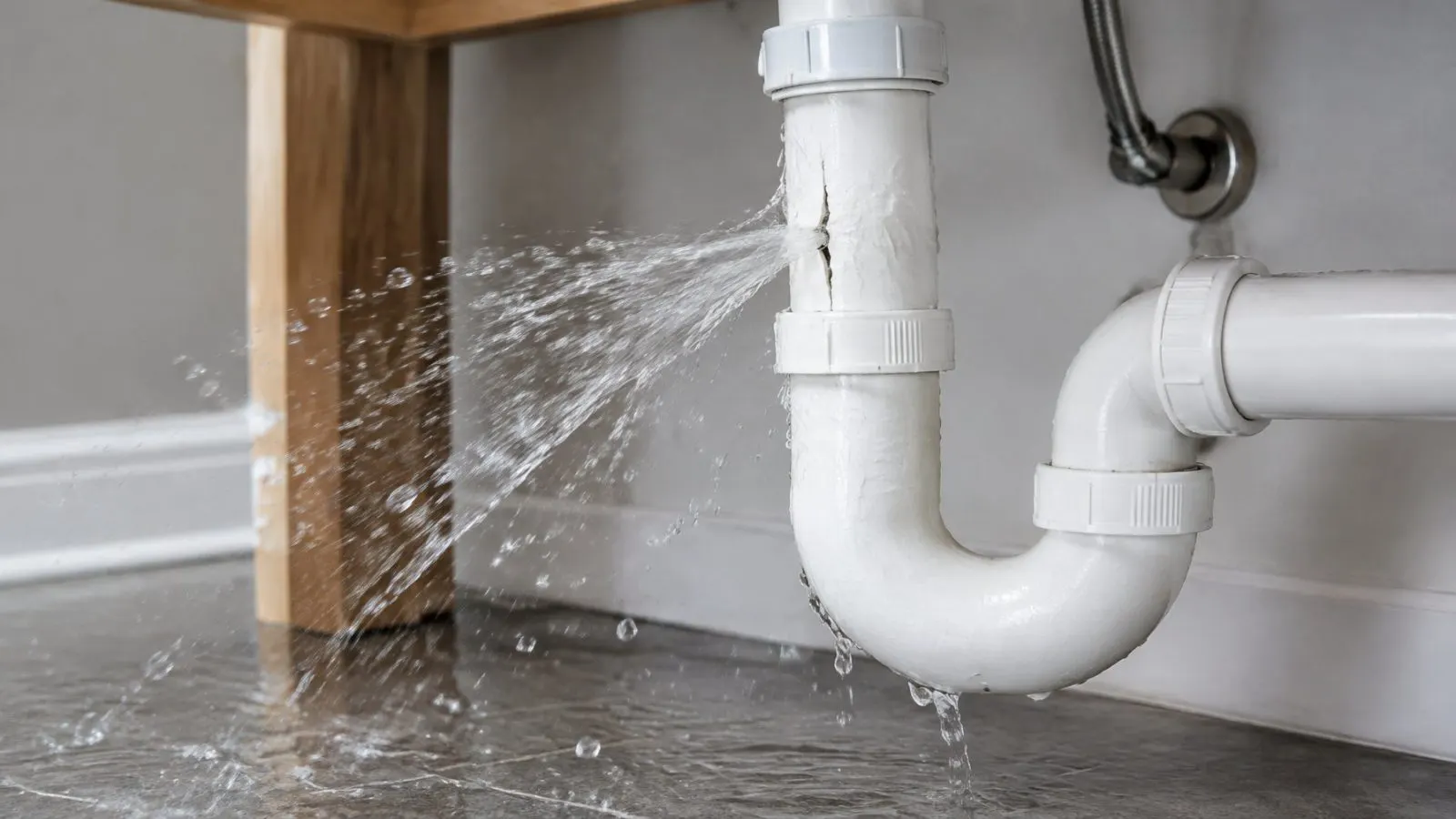
Avoid direct contact with wastewater, keep children and pets away, and arrange for the sewage source to be stopped by the appropriate professional.
We assess accessible affected areas, explain relevant precautions, and discuss a cleanup scope suited to the observed conditions.
We address contaminated water and affected materials, then carry out appropriate cleaning and drying work according to the agreed plan.
We explain the completed cleanup and identify any plumbing or reconstruction work that remains outside the restoration scope.