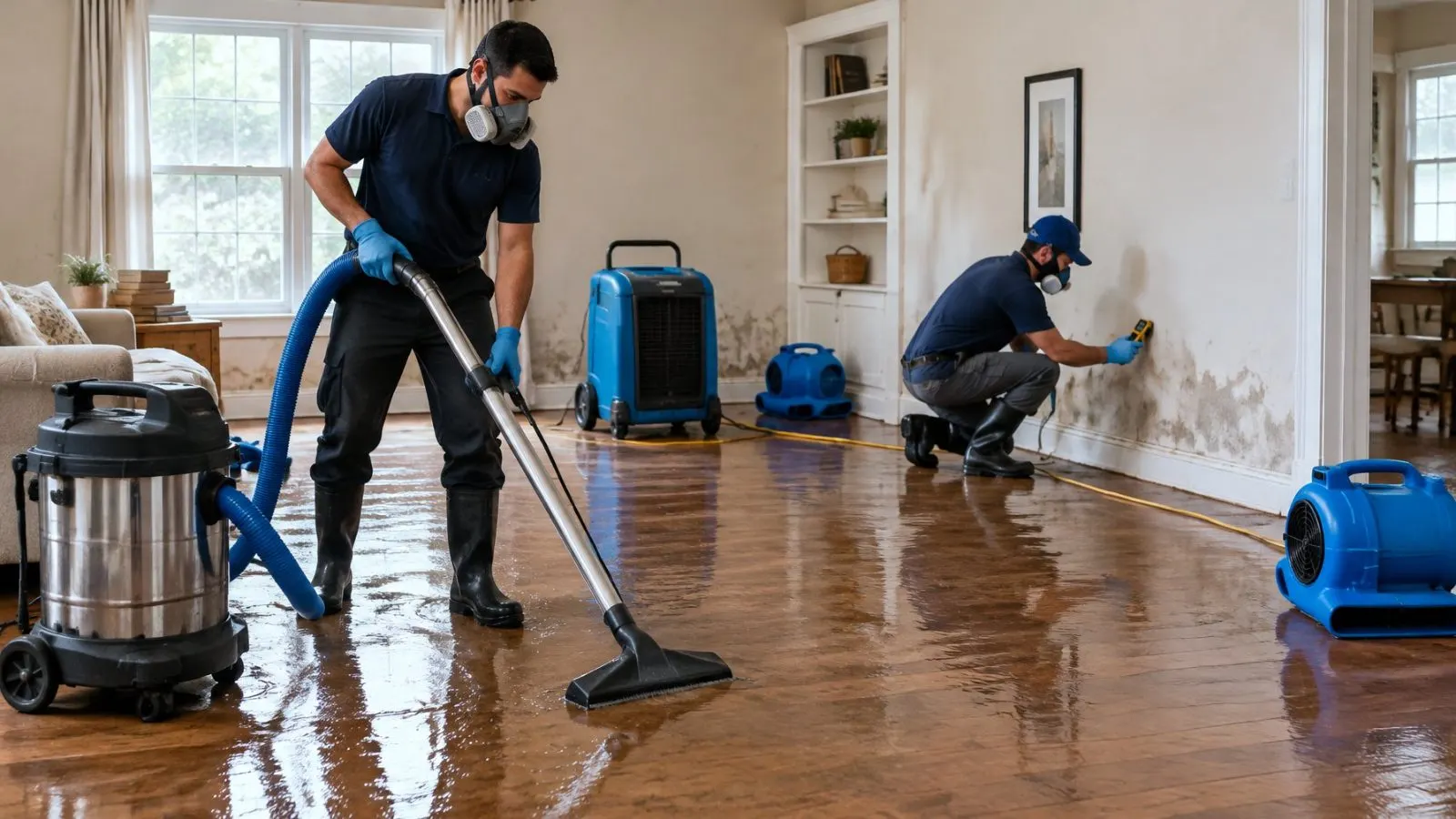
Burst Pipe Water Damage Cleanup
Burst Pipe Restoration in La Habra
Stop the water if safe, then get restoration help.
Burst Pipe Water Damage Cleanup
Stop the water if safe, then get restoration help.
A broken pipe can release enough water to damage several rooms before the problem is discovered. The source might be a supply line behind a bathroom wall, a connection beneath a kitchen sink, or a pipe serving a water heater or appliance. Water can move through wall cavities, soak flooring, and reach lower parts of the building. Even when the plumbing problem is repaired quickly, the surrounding materials may still need professional drying.
Water Damage Restoration La Habra helps property owners address the damage left behind by burst pipes and sudden plumbing failures. Our role is to assess the affected structure, remove unwanted water, and plan suitable drying and cleanup. The failed plumbing component itself may require a separate plumber. If water is flowing, shut off the supply only when it is safe to do so, avoid electrical hazards, and contact us at (562) 393-7598.
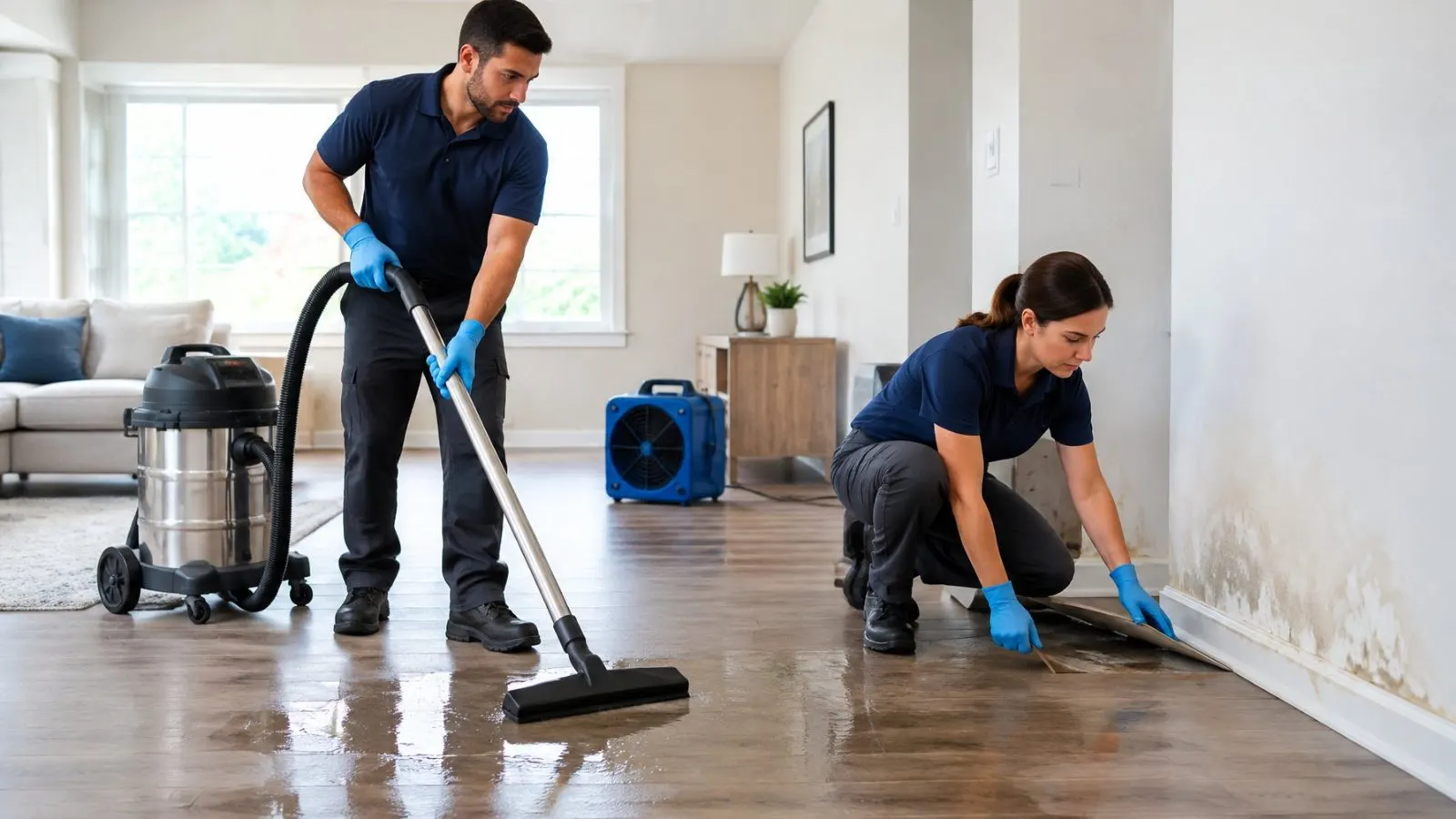
Burst pipe damage is not always limited to the room where the leak starts. Water can travel along framing, follow gaps around plumbing, and collect underneath cabinets or floor coverings. A pipe inside a wall may allow moisture to build up before any visible staining appears. This is why the assessment should consider both the source location and nearby building materials. Once the water supply is stopped and the necessary plumbing repairs are addressed, restoration focuses on extraction, moisture assessment, drying, and evaluating damaged materials. Some surfaces may dry in place, while other materials may need to be opened or removed. We explain the proposed steps and the reasons behind them so customers can make informed decisions.
We discuss where the pipe failed, how long water may have escaped, and which rooms appear affected. The assessment considers visible pooling, water staining, material swelling, and possible concealed moisture. We also identify whether the plumbing source has been isolated and whether additional trades are needed before drying can proceed.
A burst pipe can leave standing water on floors and in low areas. Where appropriate, extraction helps reduce the amount of free water remaining in the structure. Because pipe failures can affect several connected spaces, removal may need to extend beyond the immediate leak location. The goal is to prepare the area for effective drying.
When a pipe fails behind drywall, water may enter insulation and framing spaces. A wall may look only slightly stained while the concealed materials remain wet. We assess affected areas and explain whether access or material removal may be necessary. Decisions are based on the construction and observed conditions, not simply the size of the visible stain.
Water released from a supply line can move beneath vinyl, laminate, wood, or other floor coverings. Moisture can affect both the visible surface and the substrate underneath. We consider the material type, degree of exposure, and accessibility when discussing drying or removal options. Swollen or permanently damaged materials may require replacement after mitigation.
Kitchens, bathrooms, and laundry rooms contain enclosed spaces where water can collect unnoticed. Cabinet bases, toe kicks, and surrounding wall materials may remain wet after the floor surface is cleaned. We assess accessible affected areas and explain any additional investigation or opening work that may be necessary.
Drying is monitored according to the affected materials and conditions. After mitigation, customers may need a plumber, flooring installer, drywall contractor, or other repair professional to complete the property restoration. We identify remaining concerns and explain which work falls outside the water damage cleanup scope.
| Service | Estimated Cost | Average |
|---|---|---|
| Limited burst pipe water cleanup | $1,000–$3,000 | Depends on affected area |
| Wall and floor structural drying | $2,500–$7,000 | Depends on materials |
| Extensive multi-room water mitigation | $5,000–$12,000+ | Site-specific assessment |
These are illustrative restoration budgeting ranges, not local market averages or quotes. Costs vary with the volume of water, duration of exposure, concealed damage, material removal, and drying requirements. They generally do not include replacing the failed pipe or completing major reconstruction. We discuss actual pricing after assessment.
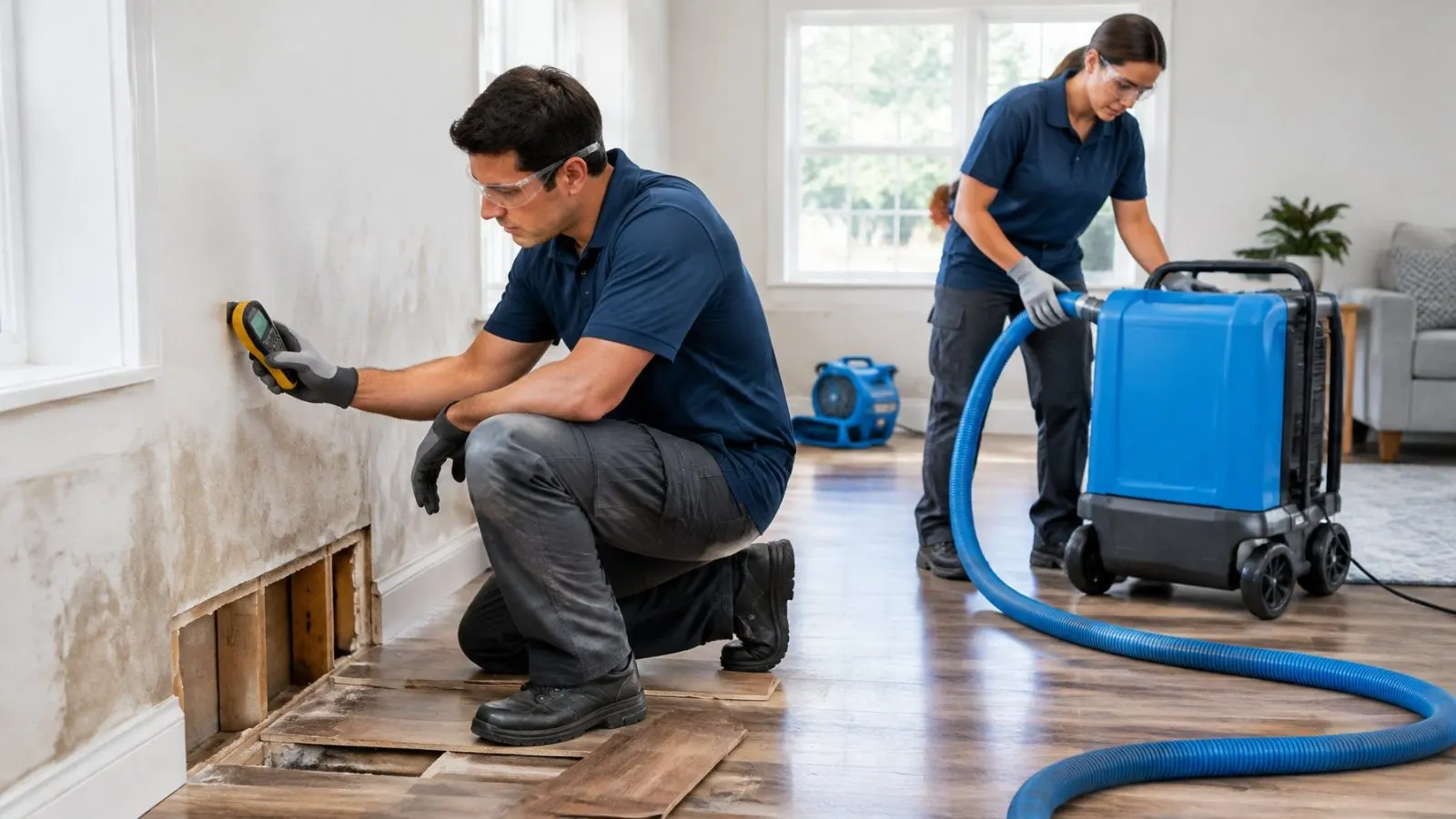
A small pipe failure can affect concealed wall and floor materials. Our assessment looks beyond the most obvious wet area.
Customers receive clear explanations about stopping the leak, repairing the pipe, and addressing the resulting water damage.
When materials may need opening, drying, or replacement, we explain why and discuss the proposed scope.
Moisture observations help guide the drying process and inform the next stage of restoration.
A burst pipe can leave hidden moisture after the leak stops. Contact our La Habra team for a water damage assessment.
Free — no obligations
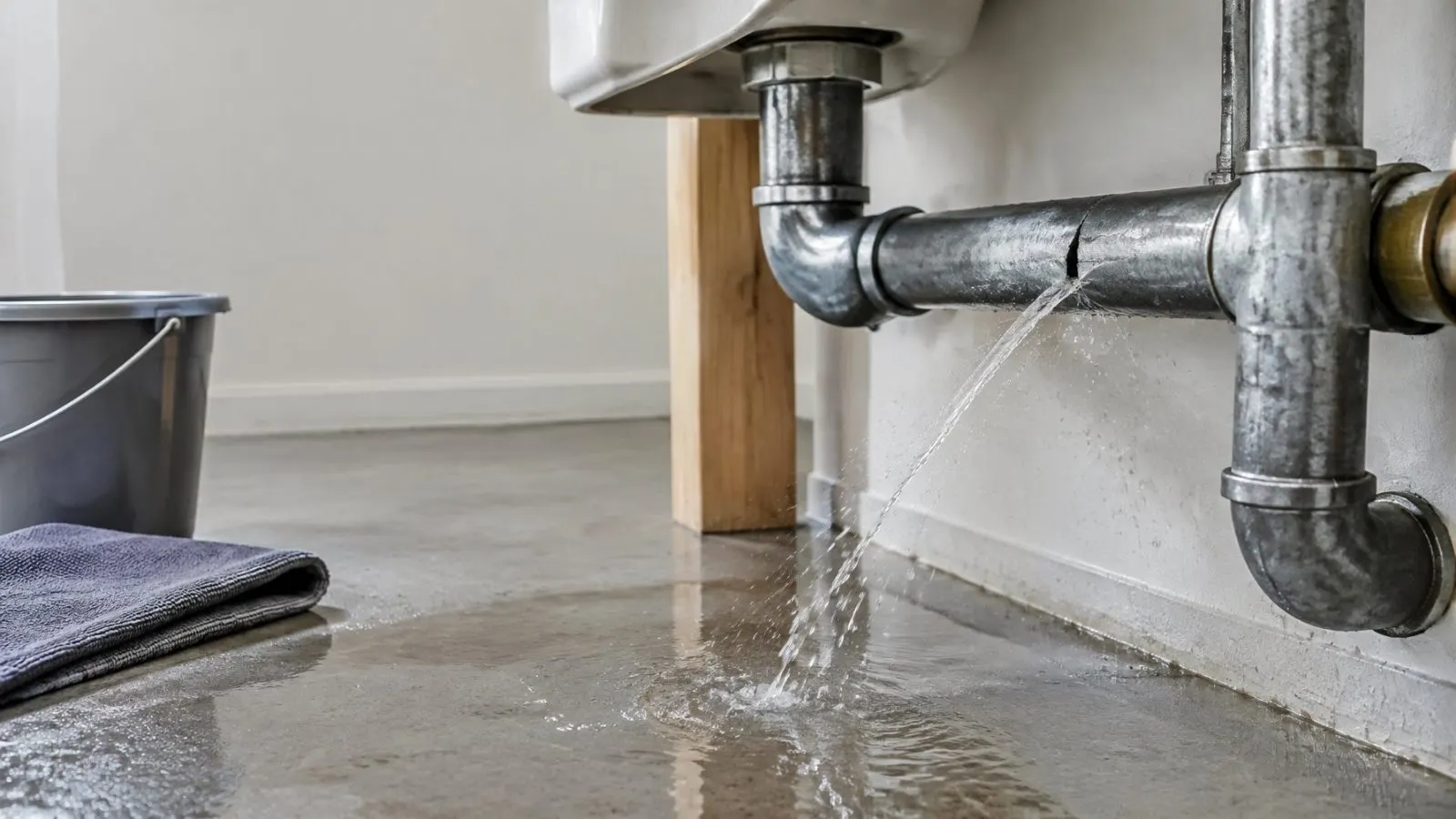
If safe, shut off the relevant water valve or main supply. Arrange a qualified plumber when a pipe repair is needed, and avoid electrical hazards.
We review the reported leak, inspect accessible affected materials, and identify locations where moisture may have traveled.
We plan suitable extraction, material handling, and drying according to the extent and condition of the damage.
We discuss drying results and identify remaining wall, flooring, cabinet, or finish repairs that may need separate arrangements.